Hello, everybody! We are the Profesp!

We welcome you, healthcare professionals working in public health emergencies (PHE), whether you're interested in participating or are already enrolled in the courses that make up the Public Health Emergencies Training Program. Our mission is to develop professionals committed to providing excellent service across all three spheres of the Brazilian Unified Health System, emphasizing sustainability, effectiveness, innovation, commitment, and quality.

Our initiatives align with the goals of the Department of Health Surveillance and Environment, aiming to highlight the importance of sharing and updating concepts, methodologies, and best practices to strengthen and expand preparedness, surveillance, and response actions for those directly and indirectly involved in all stages of PHE management.

We present a virtual training system of services that promote access to information, offering tools and resources for delivering and managing educational materials. We utilize distance education (DE) as an educational process, involving various means of communication to overcome time and space constraints. In DE, learning is active and investigative, with a strong emphasis on discussion and knowledge construction within groups.

By promoting the training and improvement of professionals, Profesp contributes to making knowledge in the field of PHE available to an increasing number of individuals. With around 80 content experts combining academic excellence and practical experience, Profesp provides constant interaction between professional demands and societal needs, incorporating knowledge generated from research, studies, workshops, and lectures.

About the courses

The courses you are beginning integrate theory and practice based on evidence, aligning with best practices in learning processes tailored for professional performance. They are divided into two categories: formative pathway and complementary training. Complementary training courses can assist in specific roles, enhancing the skills acquired at different Program levels. In the formative process, Profesp offers courses at three levels of complexity: bronze, silver, and gold.

For each completion of a complexity level, we define an award attribute. This certification method is an incentive for you, course participants, to go through all stages of training, achieving a high and complex level of specialization in public health emergencies. Bronze is awarded for completing all basic level courses; silver for those completing all intermediate level courses; and gold as the final certification for participants completing all advanced courses.

The bronze level, first made available to participants, offers basic training courses for preparedness, surveillance, response, and management of a PHE. The courses cover various subjects comprehensively, often addressing similar topics but with different focuses. The silver level presents courses of greater complexity and duration, requiring more effort and dedication from participants beyond the knowledge acquired at the bronze level. Finally, the gold level offers courses that require accumulated knowledge from the other levels to contextualize issues and situations, as they are highly complex and more specific to certain areas.

Bronze Level Understanding the CIEVS Network in Brazil (CBCIEVS)
Basic Course on Hospital Epidemiological Surveillance (CBVEH)
Basic Course on Disaster Surveillance within the Unified Health System (CBVD)
Basic Public Health Emergency Preparedness and Response Course (CBPR)
Basic Course on Diversity and Inclusion for Public Health Emergencies (CBDIV)
Silver Level Biological Emergencies
Public Health Emergency Risk Communication
Climate emergencies, human mobility and impacts on health systems
Gold Level Complex Emergencies — Coming soon
Data Visualization in the Context of Public Health Emergencies (ESPViz) — Coming soon
Supplementary Level R backwards and forwards

Happy studying!

The proposal we bring to you is to value your prior knowledge and incorporate you as active participants in the teaching-learning process, fostering a critical-reflexive stance during the courses. Here, you will have the opportunity to share knowledge from basic courses to advanced emergency training, refining your understanding of management dynamics, including prevention, preparedness, rehabilitation, mitigation, response, and reconstruction in PHE situations.

We are confident that, by the end of the course, you will be fully equipped to act in the preparedness, surveillance, and response to public health emergencies across all three spheres of the Brazilian Unified Health System, our beloved SUS. Happy studying! Thank you very much.

Want to know more about Profesp? Click here to access our portfolio!

About us
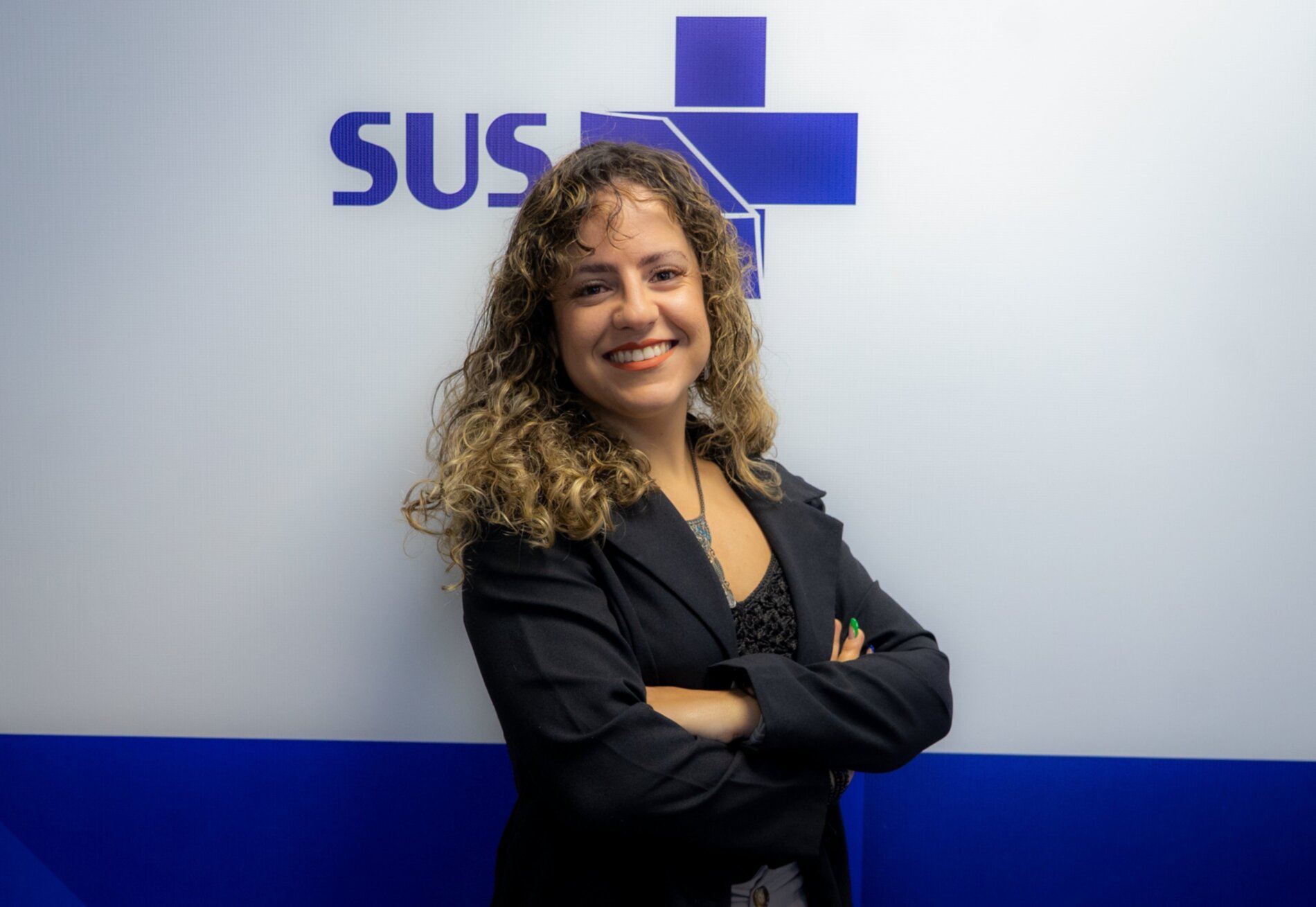
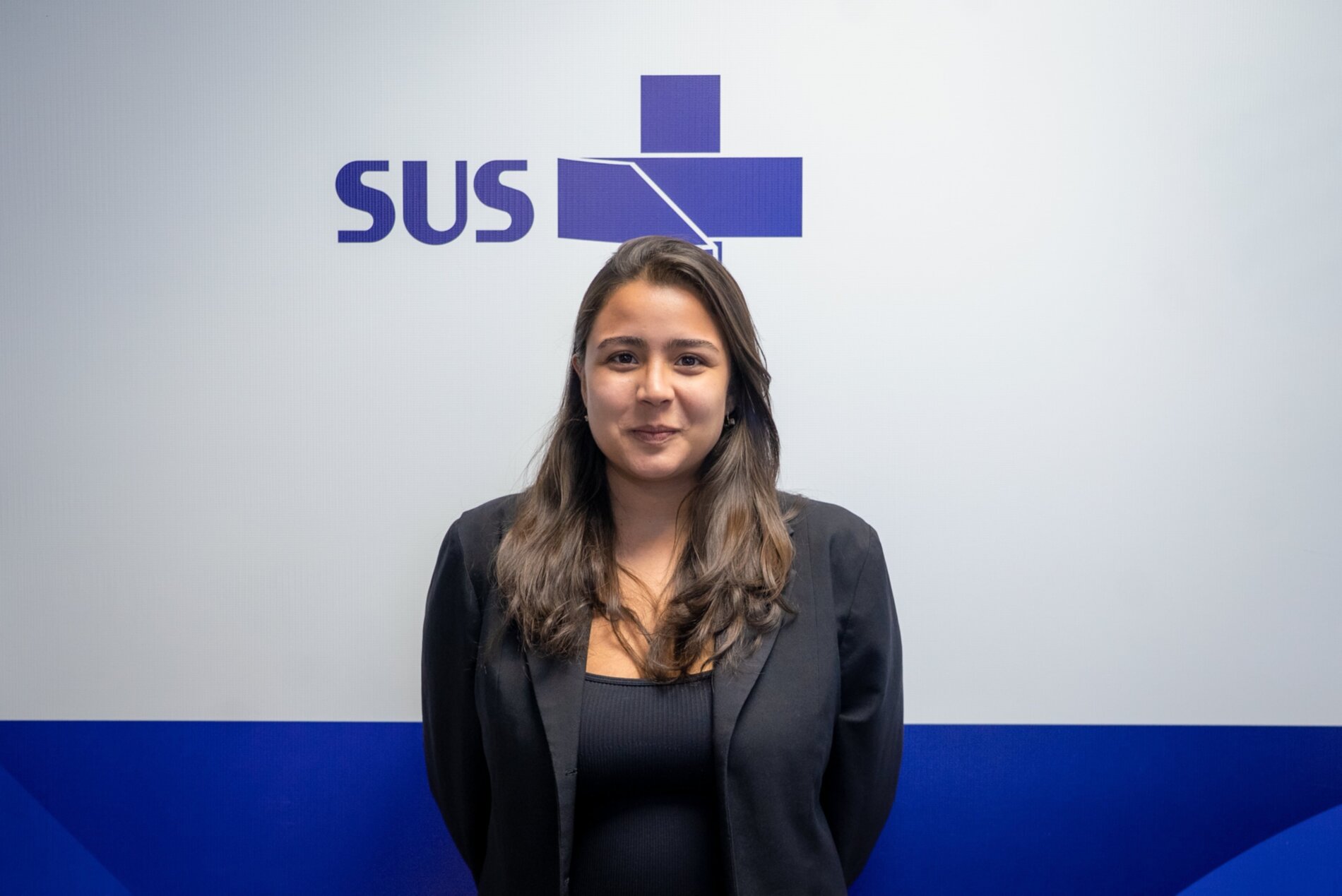
Sabrina Araújo de Melo
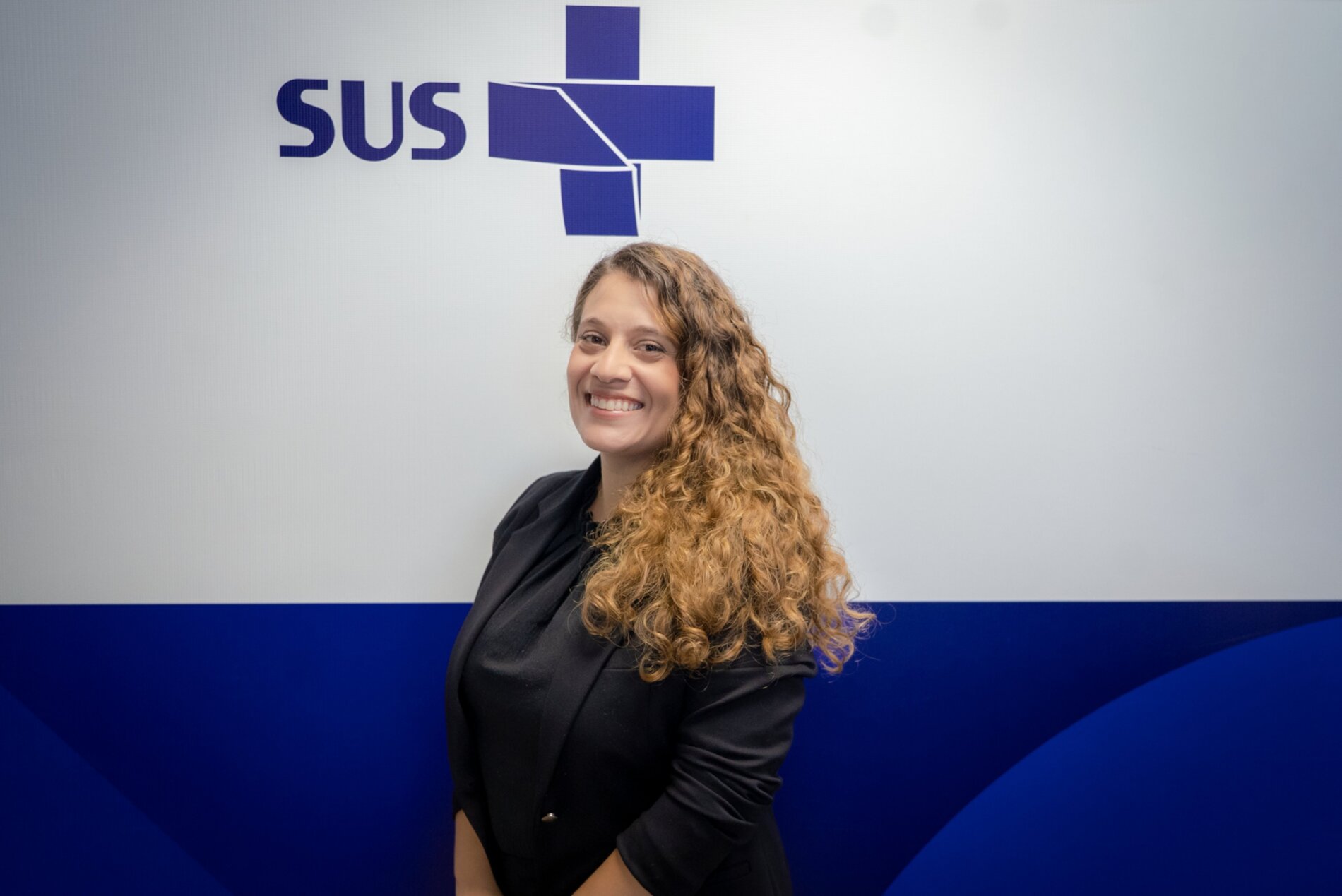
Sabrina Araújo de Melo

Profesp's focal point, with a strategic role in training human resources for public health emergencies. Responsible for the quality of educational content and teaching processes, the didactic-pedagogical development of courses, and the program's institutional coordination.

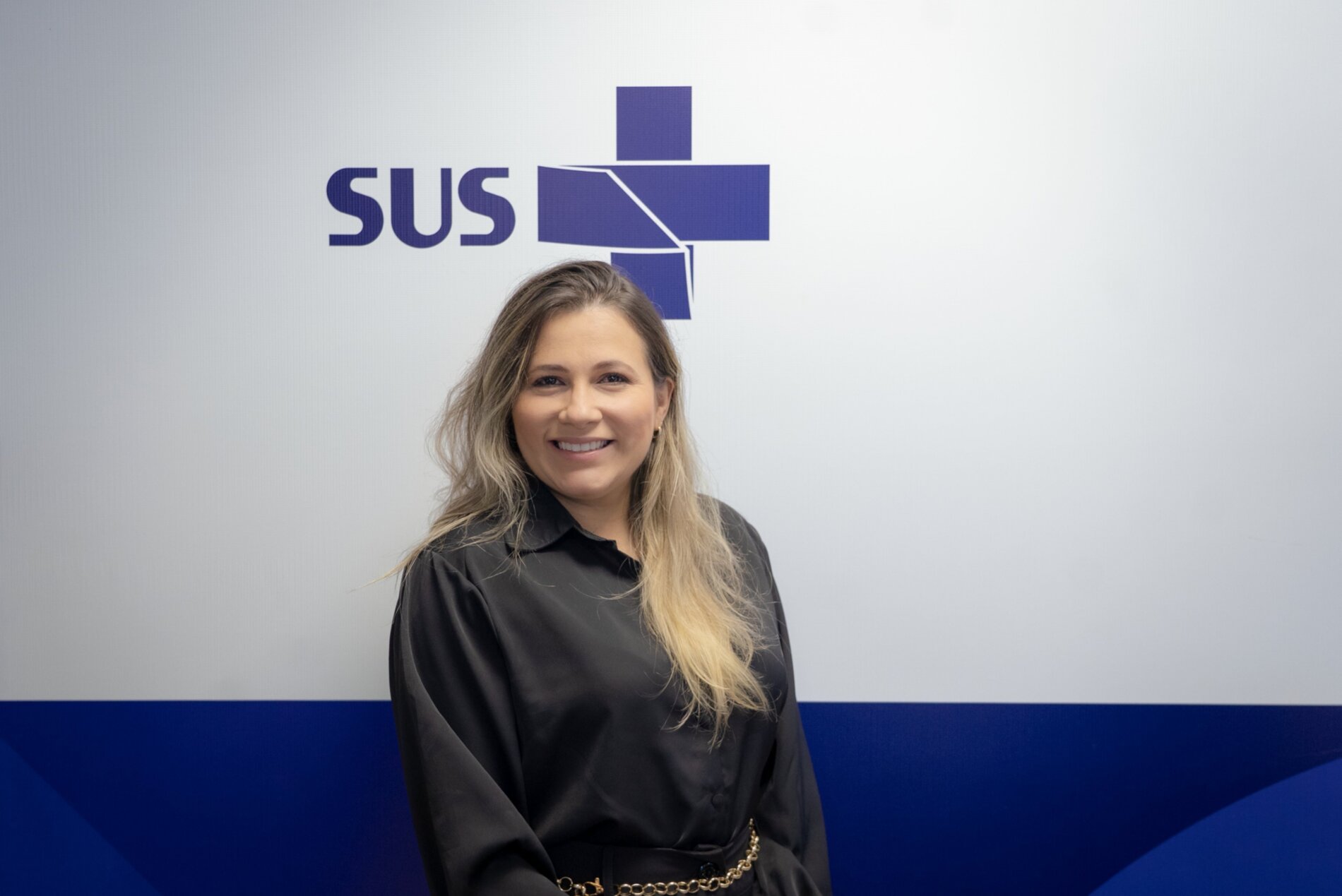
Joelma Ferreira Gomes Castro

Joelma Ferreira Gomes Castro

Supports the training of facilitators in federal units interested in implementing decentralized Profesp programs. Participates in the definition of curriculum frameworks, content development, and the structuring of Preparedness, Surveillance and Response (PVR) simulations and workshops.

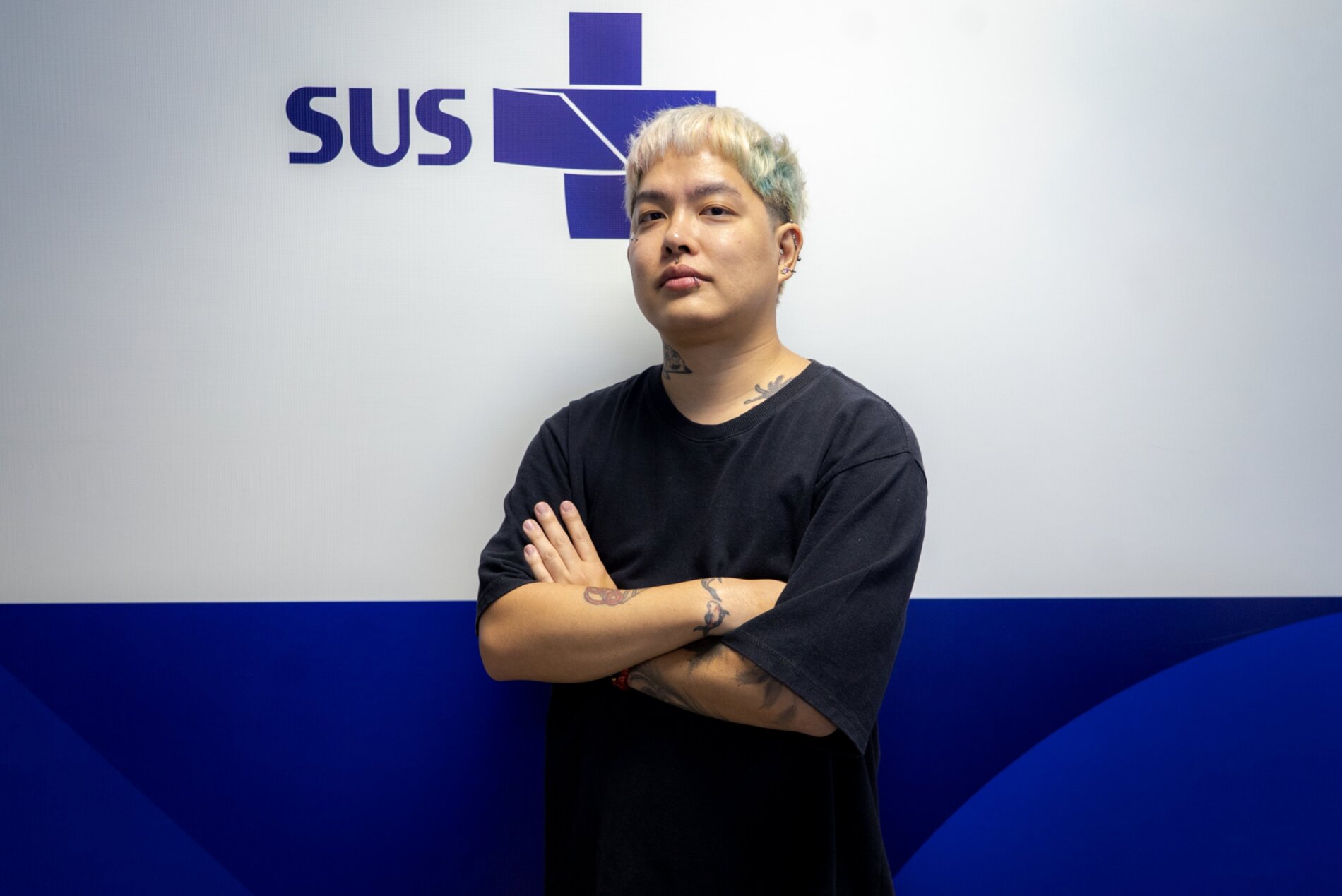
Vinicius Chozo Inoue

Vinicius Chozo Inoue

Responsible for creating educational and visual materials for Profesp courses, including interactive books, infographics, certificates, and platform components. Also works on the development of management tools, process standardization, and coordination of demands with partner companies.

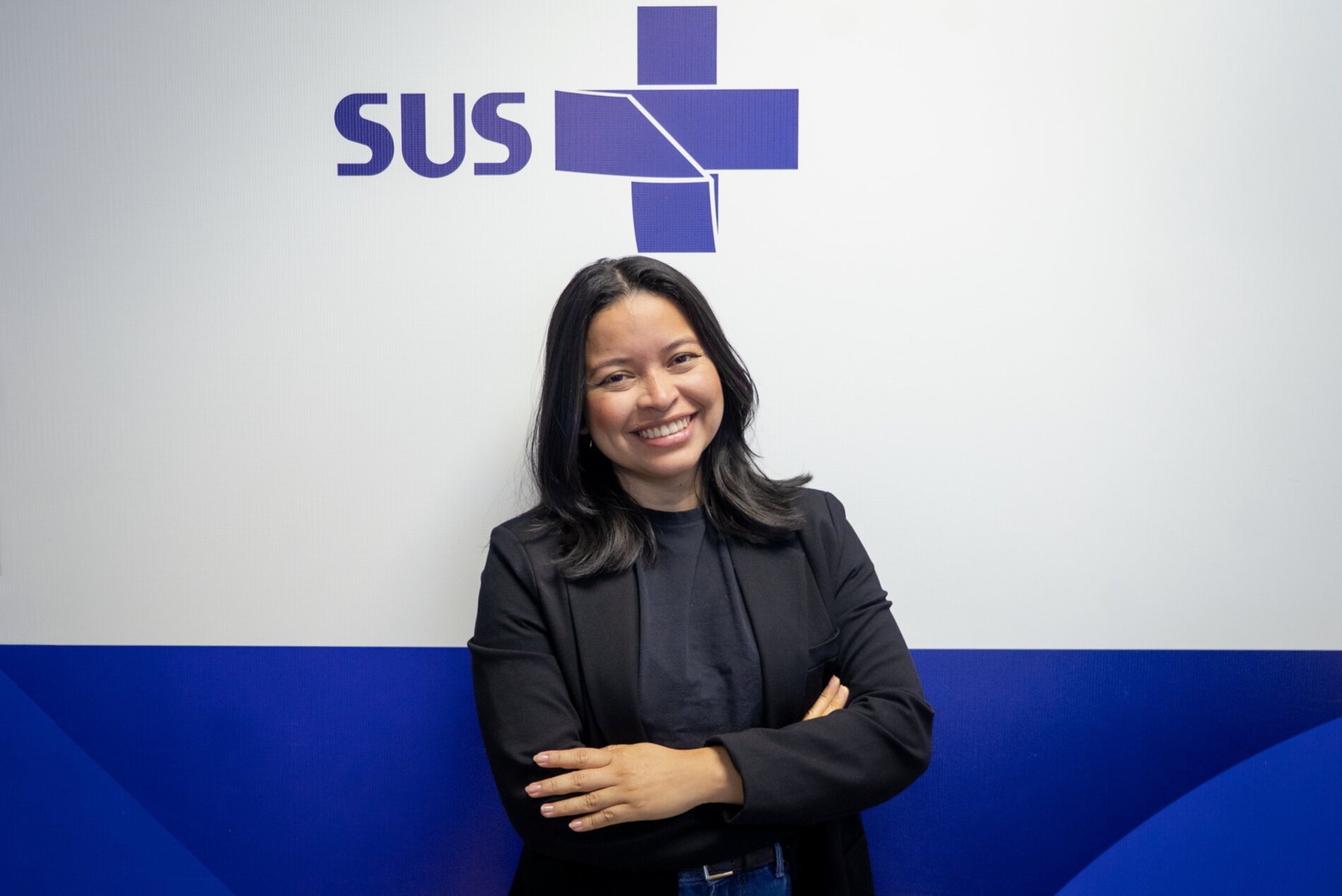
Danielly Portes Schelle

Danielly Portes Schelle

Responsible for textual review and quality control of Profesp's educational and institutional materials in Portuguese, English, and Spanish. Contributes to course improvement through copy-editing, pedagogical adaptation, and reference standardization.

Ana Luisa Almeida Melo

Ana Luisa Almeida Melo

Works on the planning and curation of Profesp's educational materials, coordinating with content specialists and overseeing layout with partner companies. Responsible for course normalization and the development of studies and reports within the program.

Difanny Michely Soares Rodrigues

Difanny Michely Soares Rodrigues

Responsible for monitoring user support and overseeing active courses on the platform. Conducts opinion surveys, analyzes periodic reports, and provides technical support for program demands.

Mateus Novais Siqueira

Mateus Novais Siqueira

Responsible for platform administration. Supports the organization of educational content and data management for the program.

Maria Luiza Hayden Soares Prado da Silva

Maria Luiza Hayden Soares Prado 

Works as Scrum Master managing team workflows using the Kanban method. Supports program leadership in demand management, report preparation, and monitoring of Profesp's actions. Contributes to the program's strategic planning.

Flávia Dangelo Ferreira Muniz

Flávia Dangelo Ferreira Muniz

Works on the development of curriculum frameworks and course content for Profesp. Contributes to facilitator training in federal units and to the structuring of Preparedness, Surveillance and Response (PVR) simulations and workshops.